A Market Picnic That Needs Almost No Cooking
A flexible picnic formula built from ripe produce, good bread and a few small things that travel well.
A picnic is at its best when it feels easier than eating at home. That means resisting the temptation to turn it into a portable dinner party. A few good ingredients, chosen for contrast and packed simply, can make a generous meal without a long recipe or a stack of containers.
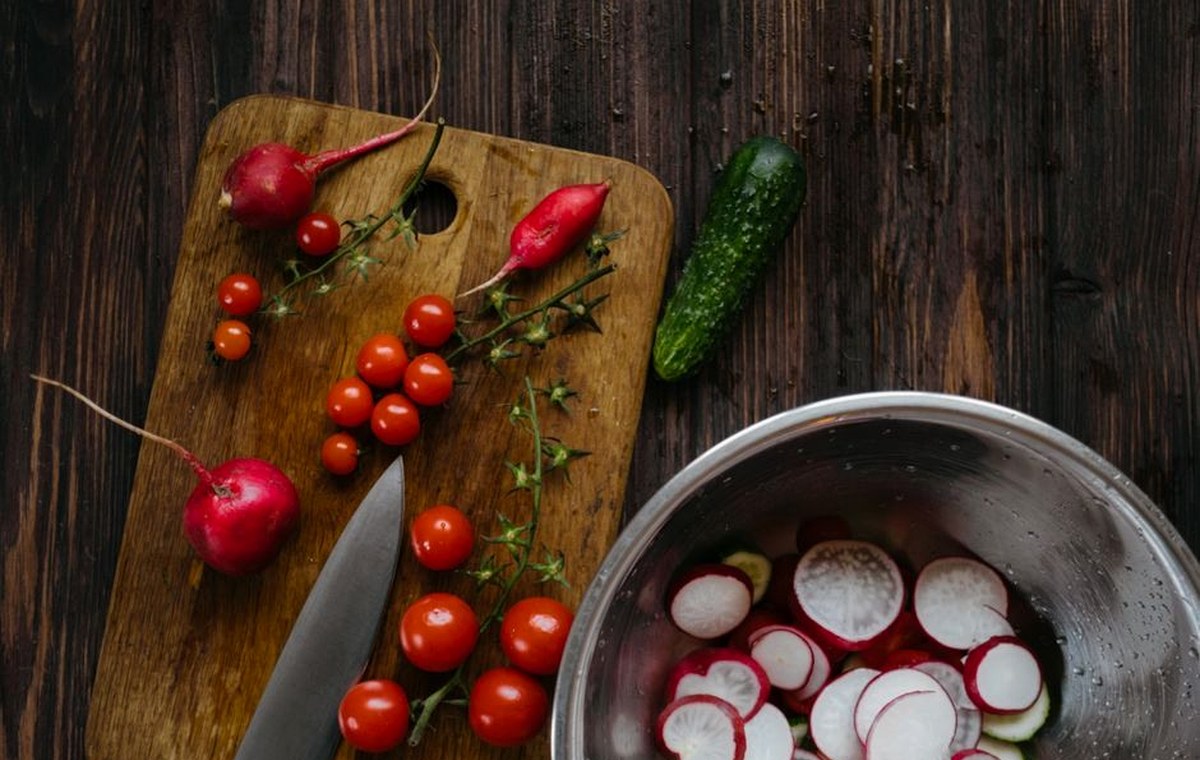
Start at the market with what looks most ready to eat. Tomatoes, cucumbers, radishes, stone fruit, grapes and small peppers all work because they need little more than washing and cutting. Choose two or three rather than buying one of everything. Repetition makes the picnic feel abundant without making it complicated.
Build around three textures
A useful formula is something crisp, something soft and something chewy. Crisp might be radishes, cucumbers or apples. Soft could be ripe tomatoes, cheese, hummus or white beans dressed with olive oil. Chewy is usually bread: a sturdy loaf, flatbread or rolls that will not collapse in a bag.
Texture matters outdoors because the meal is simple. A crunchy vegetable next to creamy cheese feels more complete than a collection of foods with the same softness. Add a handful of toasted nuts or seeds if the rest of the picnic is especially tender.
Pack seasoning, not sauce
Instead of carrying a finished dressing that can leak, bring a tiny bottle of olive oil, a lemon wedge and a pinch of flaky salt. Season sliced vegetables just before eating. They stay firmer, and the table feels fresher than it would if everything had been marinating for an hour.
Herbs travel surprisingly well wrapped in a slightly damp cloth or tucked into a small container. A few leaves of basil, mint or parsley can make market produce taste intentional without adding any real work.
Choose food that gets better at room temperature
Picnic food should not depend on being piping hot or icy cold. Firm cheeses, roasted vegetables, olives, boiled eggs, fruit, bread and simple cakes are forgiving. If you bring anything perishable, keep it properly chilled until you are ready to eat, especially on warm days.
Think about how each item will be eaten. Whole peaches are lovely until juice runs down your wrist and there is nowhere to wash. Smaller fruit, pre-cut melon in a sealed box, or apples sliced at the picnic with a small knife may be more practical. The same principle applies to tomatoes: cherry tomatoes travel more cleanly than very soft slicing varieties.
Make the table from what you already have
You do not need dedicated picnic equipment. A tea towel can wrap bread on the way there and become a small tablecloth when you arrive. A cutting board doubles as a serving surface. Reusable jars are good for olives, beans and nuts. One sharp folding or sheathed knife can handle fruit, vegetables and cheese.
Bring one empty bag for rubbish and another for anything damp. That small bit of organization makes packing up faster and leaves the place exactly as you found it.
The pleasure of a market picnic is not culinary ambition. It is immediacy: buying food that looks good, carrying it somewhere pleasant, and eating it while it still feels connected to the season and the place.