The Commonplace Book as a Quiet Reading Habit
A simple notebook method for collecting ideas from books without turning reading into homework.
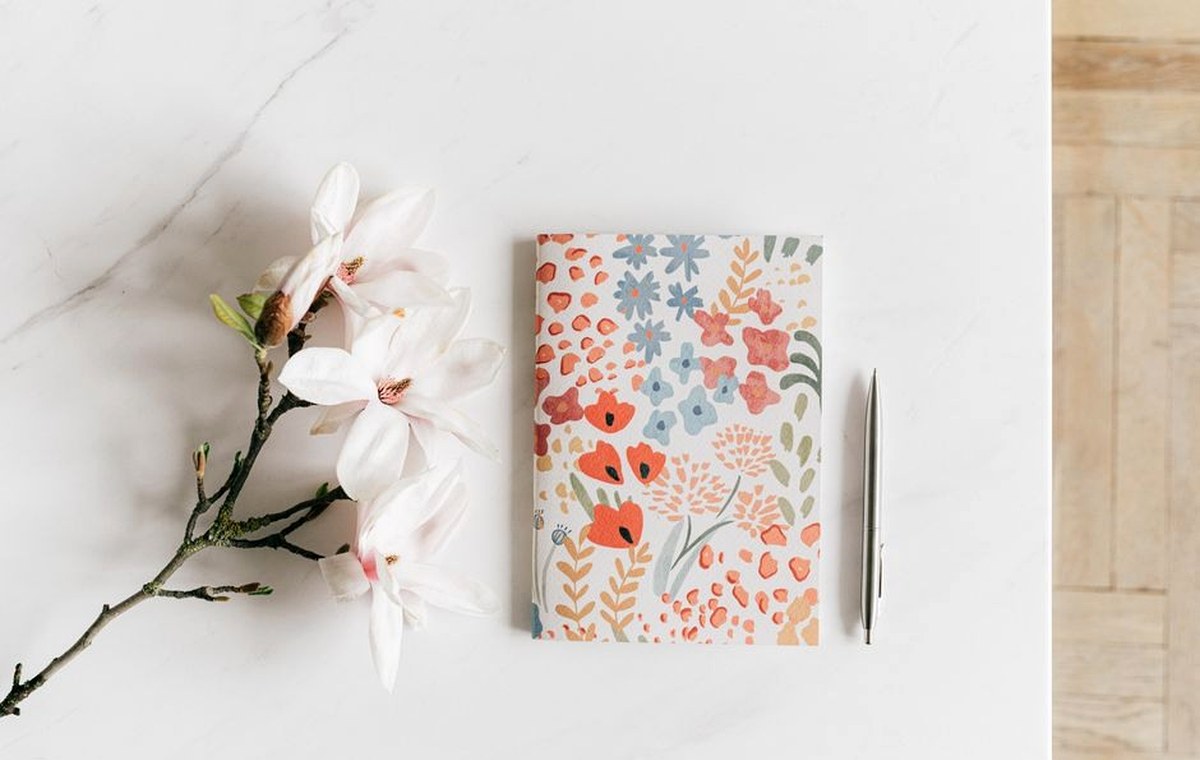
A commonplace book is less formal than a journal and less systematic than a research notebook. It is simply a place to keep fragments that you want to meet again: an idea from an essay, a striking image from a novel, a recipe note, a question, a useful definition, or a sentence you rewrote in your own words.
The value is not in building a perfect archive. It is in giving attention somewhere to land. When a thought has a physical place to go, you are more likely to notice it in the first place.
Keep the entry short enough to continue
Most notebook habits fail because each entry starts to feel like an assignment. Give yourself a deliberately small format. Date the page, write the title and author, then add one to five lines. If a book gives you nothing you want to keep, write nothing.
Copying a short phrase can be useful, but the most memorable notes are often paraphrases. Writing an idea in your own words forces you to decide what you think it means. It also makes the notebook easier to revisit later because the entry already contains your interpretation.
Mix subjects on purpose
Do not divide the notebook into sections unless that genuinely helps you. A thought about a garden can sit beside a note from a novel, followed by a museum address or a paragraph about bread. The unexpected adjacency is part of the appeal. Months later, two unrelated entries may suddenly illuminate each other.
If you need a little structure, number the pages and keep a small index at the back. Add only the topics you know you will want to find again. There is no need to index every page.
Leave room for response
A commonplace book becomes more personal when it contains more than extraction. Add a question beside a note. Disagree with it. Draw an arrow toward something it reminds you of. Return a week later and add a second thought in a different pen.
This turns the notebook into a conversation across time. The original source matters, but so does the changing reader. A sentence that felt profound in winter may look obvious in summer. An idea you ignored may become useful after a new experience gives it context.
Keep the tools ordinary
The best notebook is the one you are comfortable using imperfectly. A beautiful book can become intimidating if every page feels precious. Choose paper that handles your usual pen, a size that fits where you read, and a cover sturdy enough to survive a bag or bedside table.
Do not wait for a special fountain pen or an elaborate color system. One pen and a bookmark are enough. The point is to remove friction between noticing and writing.
Read the notebook, not just the books
Every few weeks, open to a random page. Do not begin at the beginning. The notebook is most useful when old fragments reappear unexpectedly. Mark anything that still feels alive. Cross out what no longer matters if you want. Add a date when an old thought becomes newly relevant.
Over time, a commonplace book becomes a portrait of attention rather than a record of achievement. It shows what kept catching your eye — and that is often more interesting than a list of everything you finished reading.